The Cleveland Water Alliance (CWA), in partnership with the Ohio River Valley Water and Sanitation Commission (ORSANCO), piloted a water quality monitoring network in the Cincinnati area. With support from university, municipal, and private partners, including Thomas More University, the Greater Cincinnati Water Works, the Metropolitan Sewer District of Greater Cincinnati, and BB River Boats, the team installed stations at strategic locations to track pollution and ecosystem health. Stations positioned upstream and at drinking water intakes in Ohio and Kentucky also provide early warning for critical water infrastructure.
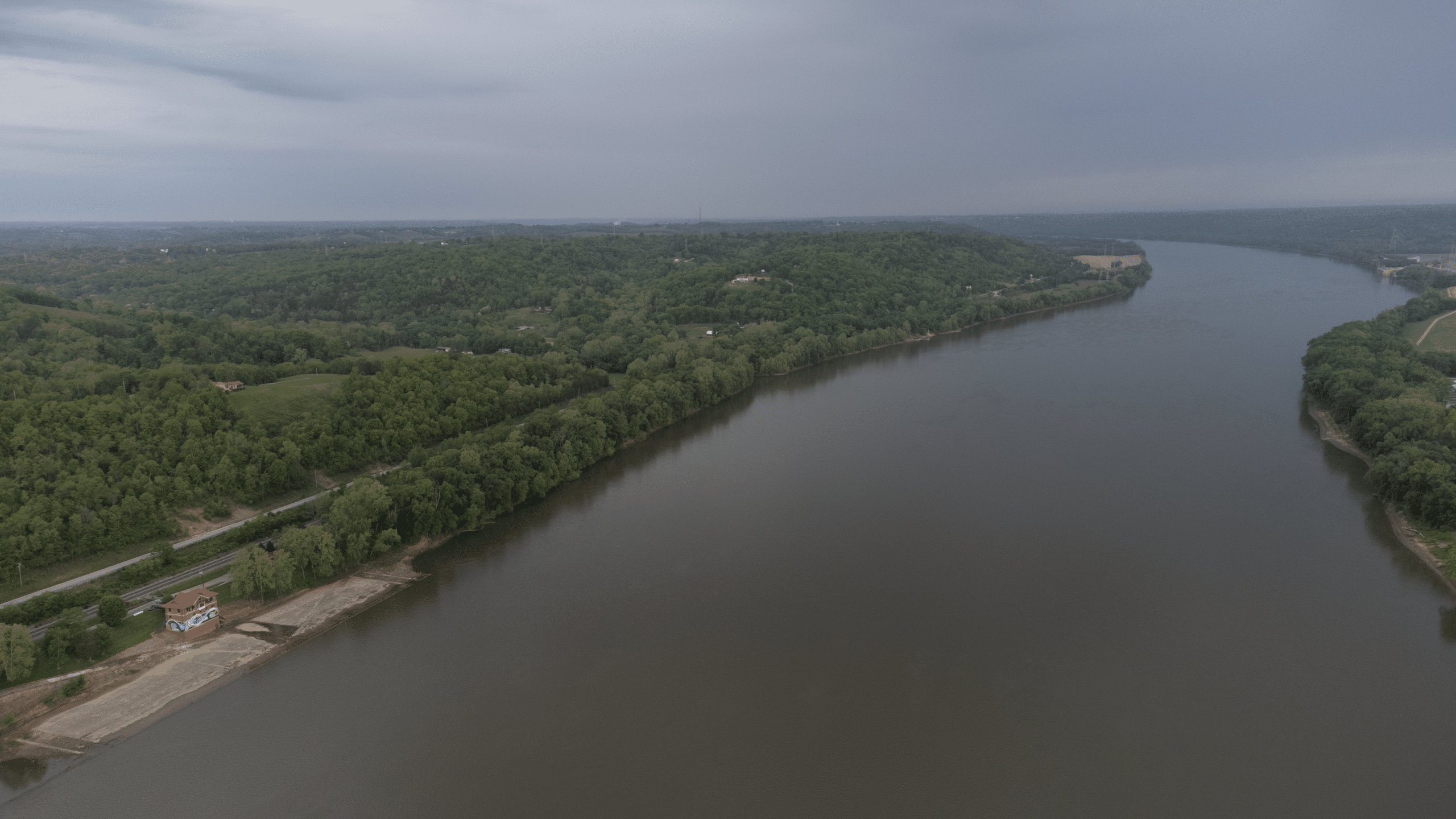
The Ohio River supplies drinking water for more than 5 million people across six states. It serves as a major cargo transportation corridor, yet it faces water quality threats ranging from harmful algal blooms to pollutant spills. This pilot evaluates whether a monitoring network along the river’s main stem can provide an early warning system for drinking water utilities while supporting more cohesive watershed management, planning, and policy.
Subtitle for This Block
Challenge
ORSANCO has a long-term monitoring program that collects a variety of monitoring parameters across the main stem of the Ohio River, but it relies heavily on manual collection of water samples. Manual data collection is costly and time-intensive, especially across a 981-mile river spanning six U.S. states. To improve data collection efficiency and data availability, particularly during pollution events such as the harmful algal blooms in the 2010s, CWA and partners proposed piloting a water quality monitoring sensor network. For an effective pilot, partners needed a scalable, reliable, and cost-effective sensor network. Off-the-shelf data loggers are expensive and lack flexibility for a dense, long-term monitoring program. Multiple-parameter sensor solutions also require routine maintenance and calibration to produce reliable data.
Solution Development
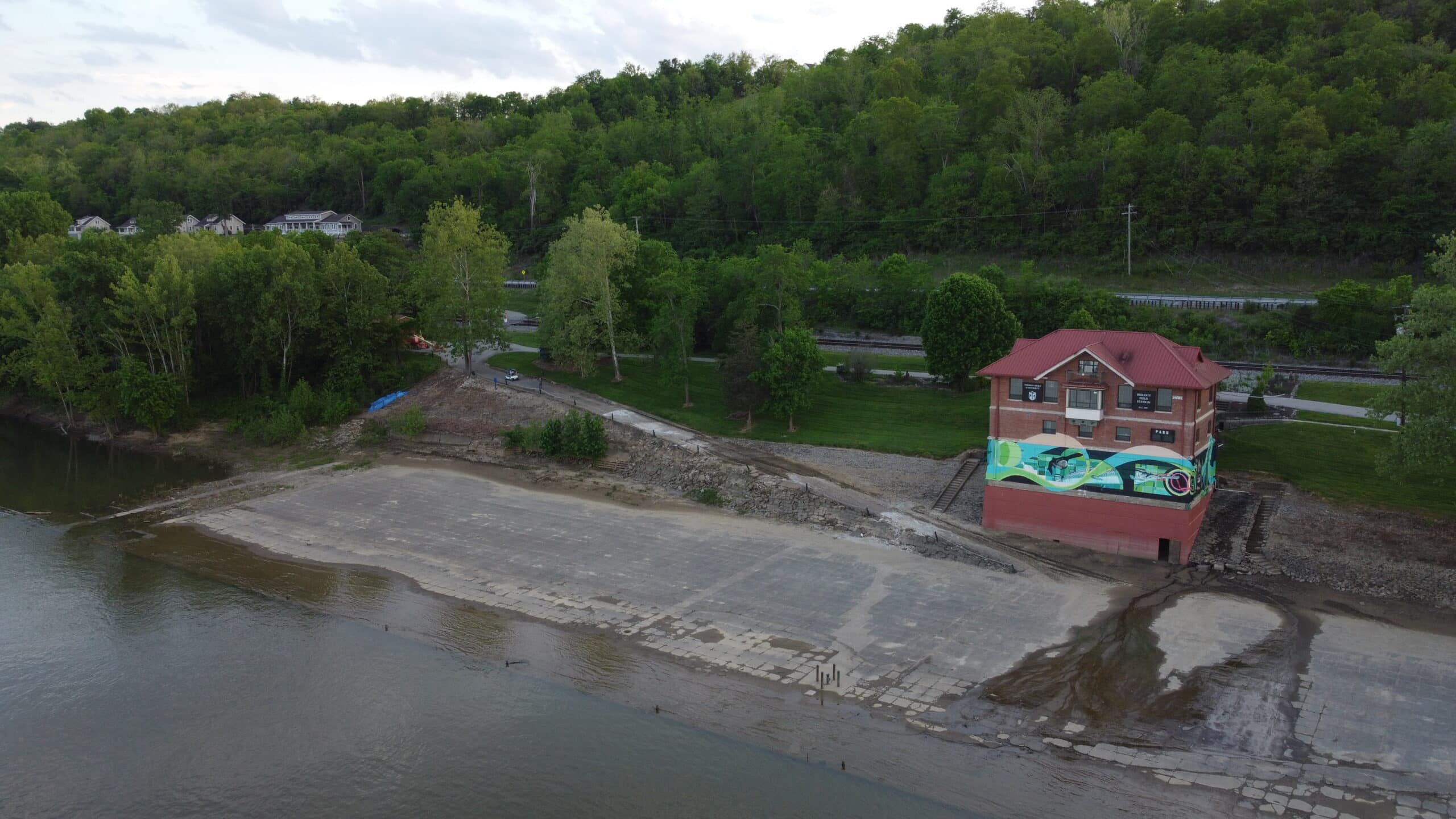
During the pilot, Freeboard Technology worked with CWA and local partners to identify key monitoring locations and water quality parameters. In collaboration with Thomas More University, the team integrated environmental-technology workforce development training into the university’s summer Research Experience of Undergraduate program, marine biology course curriculum, and volunteer program, building local capacity to support the monitoring network. Over two years, Freeboard Technology and Thomas More University students, staff, and volunteers deployed and maintained four monitoring stations across the Cincinnati area. The partners also co-developed a maintenance and calibration manual for the custom monitoring stations.
Implementation
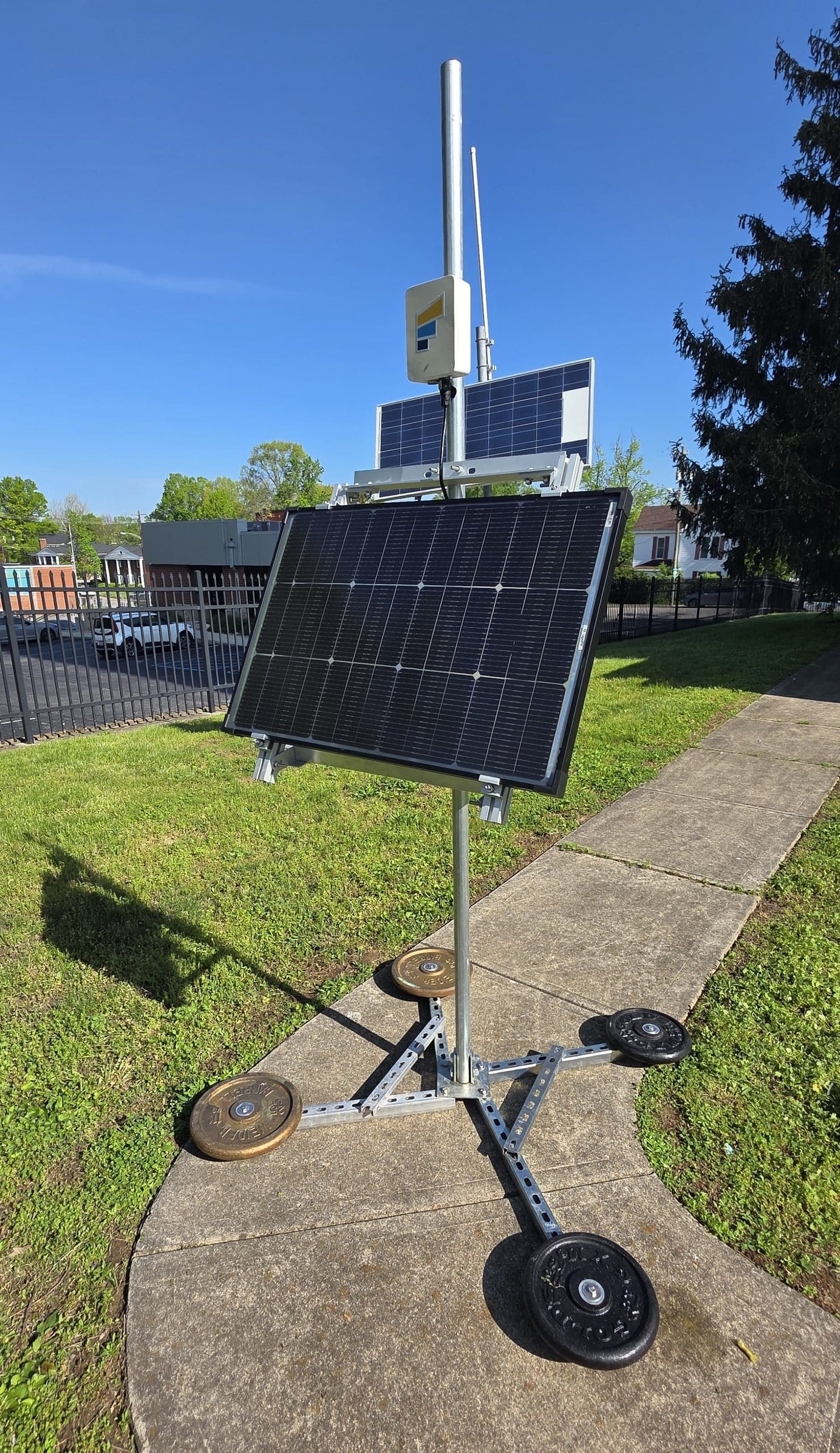
Freeboard Technology provided a rugged, versatile data logger system based on the EnviroDIY open-source platform, a design previously tested by the Lake Erie Aquatic Research Network. These loggers interface with a customizable set of low-cost water quality sensors that measure temperature, conductivity, pH, chlorophyll, turbidity, and oil in water. Plug-in or solar power enables deployment in both indoor pump rooms and outdoor locations, accommodating the pilot partners’ varied monitoring sites.
These water quality stations were deployed at three locations in the mainstem of the Ohio River and in the major Cincinnati tributary, Mill Creek, near its confluence with the Ohio River. The network performed reliably throughout the initial two years of deployment and served as a proof of concept for a larger Ohio River Monitoring Network.
Results and Expansion
Following the successful pilot, Freeboard Technology and CWA are working with local partners to identify opportunities to expand the network across the Ohio River Basin. A larger network could provide a long-term early warning system for drinking water utilities, supplement ORSANCO’s existing program, and generate data to support improved water management planning and policy across the basin.
Conclusion
By uniting CWA, ORSANCO, Thomas More University, Greater Cincinnati Water Works, the Metropolitan Sewer District of Greater Cincinnati, and Freeboard Technology, this cross-sector partnership demonstrated a reliable, scalable approach to sensor-based water quality monitoring that can strengthen early warning capabilities in the Ohio River Basin and serve as a model for other watersheds.